



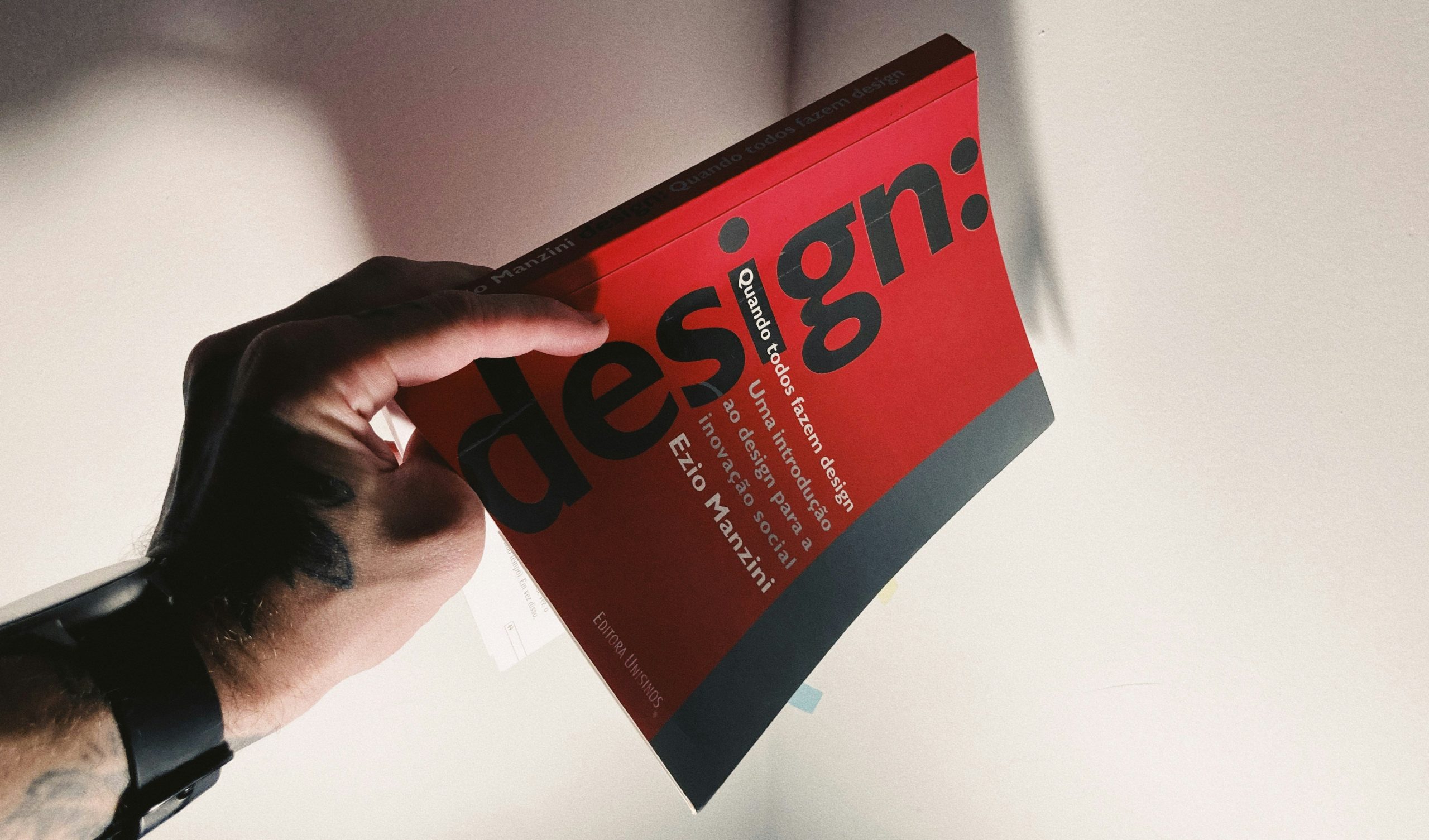
What Is Graphic Design and Why Is It Important in 2025?
In a world dominated by screens, rapid information flow, and short attention spans, graphic design has evolved from a creative discipline into a critical business function. But exactly what is graphic design and why is it important in 2025? Let’s explore how it’s shaping industries, impacting digital communication, and influencing the way we perceive brands in the modern age.
Understanding the Fundamentals of Graphic Design
Definition and Evolution
At its core, graphic design is the art and practice of planning and projecting ideas through visual content. It includes everything from typography and color palettes to imagery and layout. Historically, graphic design was limited to print—think posters, magazines, and brochures. However, in 2025, it encompasses web interfaces, social media, motion graphics, augmented reality, and more.
Core Elements of Design
Graphic design integrates the following foundational elements:
- Line, Shape, and Space: These define the basic structure.
- Color and Texture: Essential for evoking emotions and setting mood.
- Typography: The visual component of written text.
- Balance and Contrast: To create visual harmony and focal points.
Tools and Software Used
Today’s designers use an arsenal of sophisticated tools, including:
- Adobe Creative Cloud (Photoshop, Illustrator, InDesign)
- Figma and Adobe XD for UI/UX design
- Canva and VistaCreate for rapid content creation
- Blender and Cinema 4D for 3D modeling and motion design
The Expanding Scope of Graphic Design in the Digital Age
From Print to Pixels
Design has rapidly shifted from print to digital. Websites, mobile apps, and social platforms now dominate the scene. This transformation has increased demand for responsive, adaptable, and animated designs that work seamlessly across devices.
UI/UX, Motion, and 3D Design
Modern graphic designers often branch into:
- UI/UX Design: Creating user-friendly digital experiences.
- Motion Graphics: Engaging users with dynamic animations.
- 3D Design: For immersive visuals in gaming, VR, and digital ads.
Graphic Design vs. Visual Communication
Differences and Overlaps
Though often used interchangeably, graphic design is a subset of visual communication. While graphic design focuses on aesthetics, visual communication emphasizes the effectiveness of messaging through visuals.
Real-World Examples
- Graphic Design: Designing a logo or product packaging.
- Visual Communication: Using infographics to explain complex data.
Why Graphic Design Matters More Than Ever in 2025
First Impressions Count
Research shows it takes only 50 milliseconds for users to form a first impression of a website or product—graphic design is the make-or-break factor.
Visual Branding in the Attention Economy
With attention spans shorter than ever, brands must stand out immediately. Strong design ensures:
- Recognition: Memorable logos and color schemes
- Trust: Consistency across visual elements
- Connection: Resonating emotionally with audiences
Graphic Design’s Role in Business Growth
Building a Strong Brand Identity
Design communicates your brand’s story without words. In 2025, customers associate colors, logos, and styles directly with a brand’s values and personality.
Boosting Conversions and Engagement
From optimized landing pages to appealing product images, good design:
- Reduces bounce rates
- Increases time on site
- Improves call-to-action (CTA) clicks
The Psychology Behind Design Choices
Color Theory in 2025
Colors still trigger specific emotions:
| Color | Emotion/Meaning |
| Blue | Trust, Stability |
| Red | Urgency, Passion |
| Green | Growth, Health |
| Yellow | Optimism, Energy |
Typography Trends and Readability
Font choices must now balance personality and functionality, especially on mobile. Popular trends include:
- Variable Fonts
- Handwritten Styles
- Minimalist Sans Serifs
Role of Graphic Design in Digital Marketing
Social Media Campaigns
In 2025, attention-grabbing graphics drive success on platforms like Instagram, TikTok, and LinkedIn. Branded visuals help maintain consistency and trust.
Website Aesthetics & SEO
Design affects not just looks but functionality:
- Faster loading times
- Mobile responsiveness
- Accessible navigation
All of which boost SEO rankings.
Trends Shaping the Future of Graphic Design
AI and Automation
AI tools like Adobe Firefly and Midjourney are accelerating design workflows. But creativity and strategic thinking still lie in human hands.
3D and Immersive Experiences
3D design enhances product realism. AR and VR are now part of many brands’ marketing strategies.
Sustainability in Design
Eco-friendly visuals and materials are a must. Digital-first, minimalist, and paperless designs are trending.
The Rise of Freelance and Remote Designers
Gig Economy Impact
More designers are working independently in 2025. Platforms like Upwork, Fiverr, and Dribbble offer global opportunities.
Tools Empowering Independent Creators
Freelancers benefit from:
- Cloud-based design platforms
- Remote collaboration tools like Notion, Slack, and Miro
- Automated billing and project management software
Importance of Accessibility and Inclusive Design
Designing for All Audiences
Design must be inclusive of:
- Colorblind users
- Screen reader compatibility
- High contrast and large text sizes
Legal and Ethical Implications
Failing to meet accessibility standards can lead to lawsuits and lost customers. WCAG compliance is a must.
Graphic Design in Education and Learning
E-Learning Platforms
Visuals help learners absorb information 60,000 times faster than text alone.
Infographics for Enhanced Understanding
Whether it’s school or corporate training, infographics simplify complex subjects, making learning more effective and engaging.
Measuring the Impact of Design
Analytics and KPIs
Design’s performance can be measured through:
- Click-through rates (CTR)
- Conversion rates
- User retention metrics
User Feedback and Testing
A/B testing design variations provides real data to back creative decisions.
Top Industries That Rely on Graphic Design
Tech and SaaS
Clear UX/UI design is non-negotiable for software success.
Healthcare
Patient portals and education materials require accessible, empathetic design.
Entertainment and Media
Posters, streaming interfaces, and gaming graphics fuel the industry.
How to Start a Career in Graphic Design in 2025
Key Skills to Learn
- Design principles
- Typography and layout
- Motion graphics
- UX/UI design basics
Recommended Courses and Certifications
- Coursera Graphic Design Specialization
- Google UX Design Certificate
- Skillshare & LinkedIn Learning
Common Misconceptions About Graphic Design
It’s Just About Aesthetics?
Wrong. It’s about solving problems visually, not just making things “pretty.”
Anyone Can Do It?
Tools are easy to access, but good design requires skill, research, and strategy.
Future Outlook: Where Is Graphic Design Headed?
Predictions for the Next Decade
Expect continued integration with AI, augmented reality, voice interaction, and 3D.
Opportunities and Challenges
Opportunities: Remote work, automation, global demand.
Challenges: Keeping up with trends, proving ROI, ethical use of AI.
FAQs
What software do graphic designers use in 2025?
Most use Adobe Creative Cloud, Figma, Canva, and AI tools like Adobe Firefly.
Is graphic design still in demand?
Yes—especially for digital media, branding, and UI/UX roles.
Can AI replace graphic designers?
AI assists but can’t replace human creativity, empathy, and storytelling.
How does design impact customer behavior?
Good design increases trust, encourages purchases, and improves user experience.
What’s the average salary of a designer in 2025?
Salaries range from $50,000 to $90,000, depending on experience and location.
How long does it take to become a designer?
With online programs, you can start freelancing in 6-12 months with consistent practice.
Conclusion: Why Graphic Design Is a Non-Negotiable in 2025
To answer the question, “What is graphic design and why is it important in 2025?”—it’s clear that design is no longer optional. It drives brand identity, influences buyer decisions, and enhances user experience. As technology evolves, graphic design remains the visual language of our digital world, and those who master it will lead the conversation.
